 English
 Русский
 Қазақша
Stellantis ja Bolt viivad juhtmevaba tuleviku järgmisele tasemele
Partnerlus kiirendab Euroopa üleminekut ohutule autonoomsele sõidule
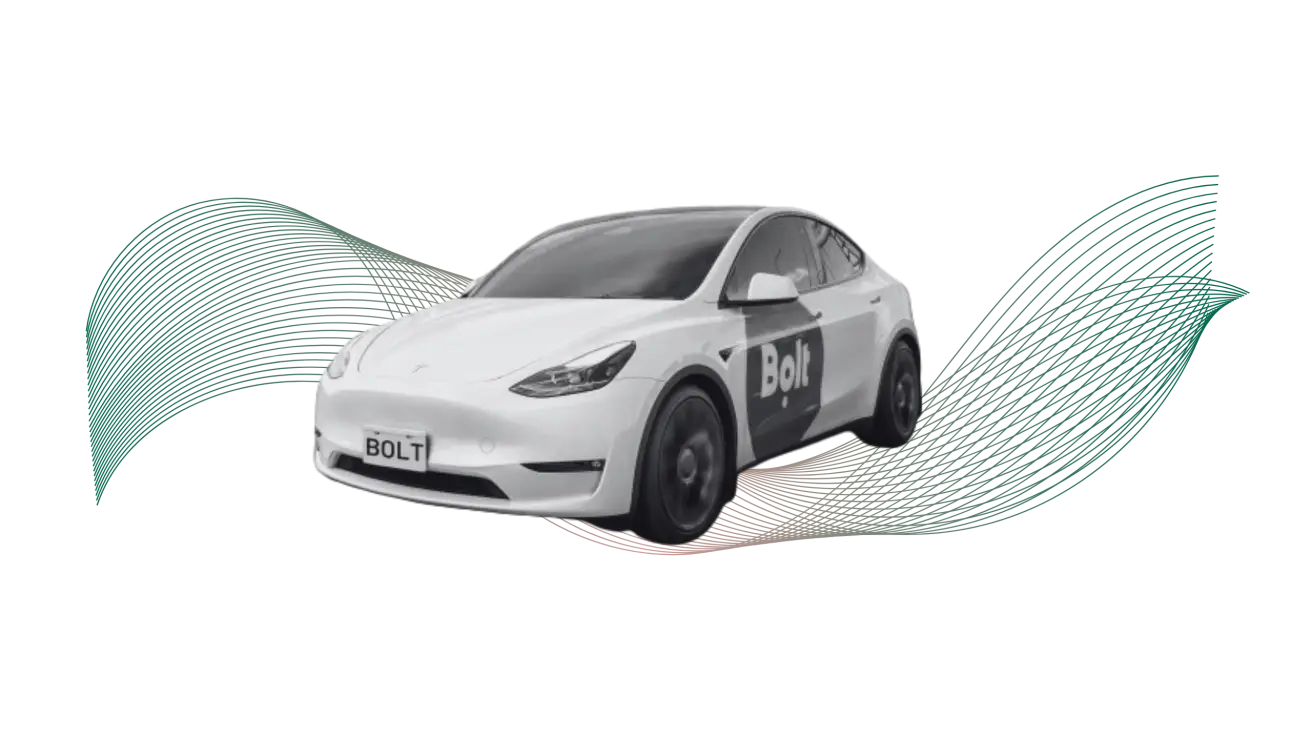
Stellantis, üks maailma suurimaid autotootjaid 14 globaalse kaubamärgiga, ja Bolt, Euroopa juhtiv liikumisplatvorm, on teatanud strateegilisest partnerlusest Level 4 sõidukite väljatöötamiseks ja kasutuselevõtuks — autod, mis on võimelised täielikult autonoomseks sõiduks ilma inimsekkumiseta. Esimesed teekatsetused on kavandatud 2026. aastaks, tööstusliku mahuga tootmise algust oodatakse 2029. aastal.
Järgmise põlvkonna platvormid ja tee mastaapsuseni
Koostöö tugineb Stellantise AV-Ready Platforms™ lahendustele – järgmise põlvkonna sõidukiplatvormidele, mis on spetsiaalselt välja töötatud autonoomset sõitu silmas pidades. Need platvormid võimaldavad juhtmevabade süsteemide integreerimist ilma sõiduki struktuuri ümber ehitamata, vähendades kogukuluvust ja muutes autonoomsed sõidukipargid liikumisteenuste pakkujatele majanduslikult tasuvaks.
Bolti jaoks on partnerlus oluline samm selle pikaajalise eesmärgi suunas omada 2035. aastaks oma platvormil 100 000 autonoomset sõidukit. Ettevõte plaanib kasutada Stellantise juhtmevabu mudeleid oma jagatud liikumisteenustes, pakkudes täielikult autonoomseid sõite Euroopa linnades. Tegutsedes 23 ELi riigis ja enam kui 600 linnas üle maailma, on Boltil juba olemas taristu laiaulatusliku kasutuselevõtu toetamiseks.
Ohutus, kestlikkus ja Euroopa innovatsiooniraamistik
Stellantis tugevdab oma positsiooni autonoomsete süsteemide turul, laiendades oma partnerite ökosüsteemi Euroopas. Ettevõte paneb suurt rõhku projekteerimisohutusele, töökindlusele ja küberjulgeolekule, järgides seejuures Euroopa regulatiivseid nõudeid.
Esimesed prototüübid läbivad testimise riiklike ja ELi reguleerivate asutuste järelevalve all, liikudes järk-järgult pilootprogrammidelt täiemahulise tootmiseni. Stellantise tegevjuhi Antonio Filosa sõnul võivad autonoomsed sõidukipargid aidata vähendada heitkoguseid ja ummikuid, toetades kestlikumat linnaliikuvust. Bolti asutaja ja tegevjuht Markus Villig rõhutas, et see partnerlus peegeldab Euroopa pühendumust ohutule ja vastutustundlikule innovatsioonile ning muudab juhtmevaba reisimise järgmise kümnendi jooksul igapäevaelu tavapäraseks osaks.
Edasivaade
Reaalse keskkonna testimine algab 2026. aastal, tähistades otsustavat sammu autonoomse liikuvuse kasutuselevõtu suunas kogu Euroopas. Aastate 2029 ja 2035 vahel eeldatakse turu jõudmist täismahulise tööstusliku rakendamiseni. Kui sertifitseerimine ja ohutushindamised kulgevad edukalt, võib Boltist saada üks piirkonna esimesi suuremahulisi robotakso teenuseosutajaid, samal ajal kui Stellantisel on potentsiaal kujuneda oluliseks platvormide tarnijaks Euroopa autonoomsete transpordisüsteemide jaoks.